Analysis by David K. · Reviewed 2026-07-06 · 8 min read
If you've asked yourself "how does iptv work" while staring at your cable bill, you're not alone. Millions of cord-cutters are discovering that internet protocol television delivers live channels and on-demand content through your broadband connection rather than a satellite dish or coaxial cable. The catch? Not all IPTV services are created equal, and understanding the technical differences matters before you commit.
This comparison breaks down exactly how IPTV operates, how it stacks up against traditional cable, and what distinguishes a reliable provider from one that buffers constantly. Whether you're exploring how does iptv work on smart tv platforms or weighing IPTV vs cable which is better for your household, you'll get a clear, unbiased framework to decide.
The Core Choice: Why You're Stuck Between Two Worlds
Every month, the average US household spends over $110 on cable television. Meanwhile, IPTV subscriptions range from $10 to $30 monthly with comparable channel counts. The savings are obvious, but so are the risks. Piracy-ridden services disappear overnight. Legitimate ones require technical know-how. And your neighbor's experience with buffering might not match yours.
The real question isn't just "how does iptv work" — it's which system works for your specific setup. Do you own a Firestick and want to watch live sports? Do you need a service that's legal and verifiable in the US? This comparison maps out exactly what differentiates a premium IPTV service from a disposable one, using criteria that actually affect your viewing experience.
5 Criteria That Actually Separate Good IPTV From Bad
Related Reading: NeuroActiv6 Reviews: Complete Guide on What It Is and How It Works
Before diving into specific options, here's what matters when evaluating how does iptv work in real-world conditions:
- Server infrastructure and CDN placement — A service with servers in North America drastically reduces buffering compared to one routing traffic through Eastern Europe.
- Stream quality and bitrate consistency — 4K streams aren't useful if they drop to 480p every five minutes during sports events.
- Electronic Program Guide (EPG) accuracy — If channel listings don't match actual broadcast times, the service becomes frustrating fast.
- Device support and app usability — A service that only works on Android but not Firestick or Smart TV limits your flexibility.
- Customer support and refund policy — When something breaks, you need a real human who responds within hours, not days.
IPTV vs Cable: Detailed Comparison Table
| Criterion | Traditional Cable | Premium IPTV Service | Budget IPTV Service |
|---|---|---|---|
| Monthly cost | $100 – $200 | $15 – $30 | $5 – $12 |
| Channel count | 200 – 300 | 1,000 – 5,000+ | 500 – 2,000 |
| Legal status (US) | Fully licensed | Varies — some legitimate | Often unlicensed |
| Buffering frequency | Rare | Low with good internet | Frequent during peak |
| Device flexibility | Limited to cable box | Firestick, Smart TV, phone | Android boxes primarily |
| Contract required | Often 1–2 years | Monthly or no contract | Monthly, risky |
| Customer support | 24/7 phone support | Live chat, email, ticket | None or Telegram only |
Option A: Premium IPTV Service (The Reliable Route)
Related Reading: Free Spotify Gift Card Myths: 5 Lies That Waste Your Time
A premium IPTV provider maintains its own servers, offers a dedicated app, and provides verified channel sources. When you learn how does iptv work on smart tv through a premium service, the process is straightforward: you download the provider's app from the app store, enter a subscription code, and start streaming within minutes.
These services invest in content delivery networks (CDNs) that minimize buffering during live events like NFL games or UFC fights. They also offer Electronic Program Guides that actually work — showing correct channel names, show descriptions, and accurate start times.
Pros of Premium IPTV
- Reliable uptime (99%+ in most cases)
- Responsive customer support (under 2 hours)
- Works on Firestick, Smart TVs, iOS, and Android
- Trial periods to test before committing
Cons of Premium IPTV
- Higher monthly cost ($15–$30)
- May still face legal gray areas depending on content
- Requires decent internet speed (25 Mbps minimum)
Option B: Traditional Cable (The Old Standard)
Despite the hype around cord-cutting, traditional cable still dominates households with older users or those who want absolute simplicity. When you pay for cable, you're paying for infrastructure that's been refined over decades. The picture quality is consistent, the guide is built into your remote, and you don't need to know anything about how does iptv work to use it.
The downsides are well documented: high prices, hidden fees ($10–$20 in broadcast fees alone), long-term contracts, and limited device portability. You can't watch cable on your phone while traveling without a separate streaming add-on, which adds another $15–$25 per month.
Pros of Traditional Cable
- Zero buffering — dedicated line
- Fully legal and licensed for US content
- No technical setup required
- Reliable DVR functionality
Cons of Traditional Cable
- Expensive ($100+/month)
- Locked into contracts
- Limited to one room without extra boxes
- Poor mobility — no streaming on the go
how does iptv work
Review live stock availability, promotional bundle milestones, and open checkout routes.
BUY NOW →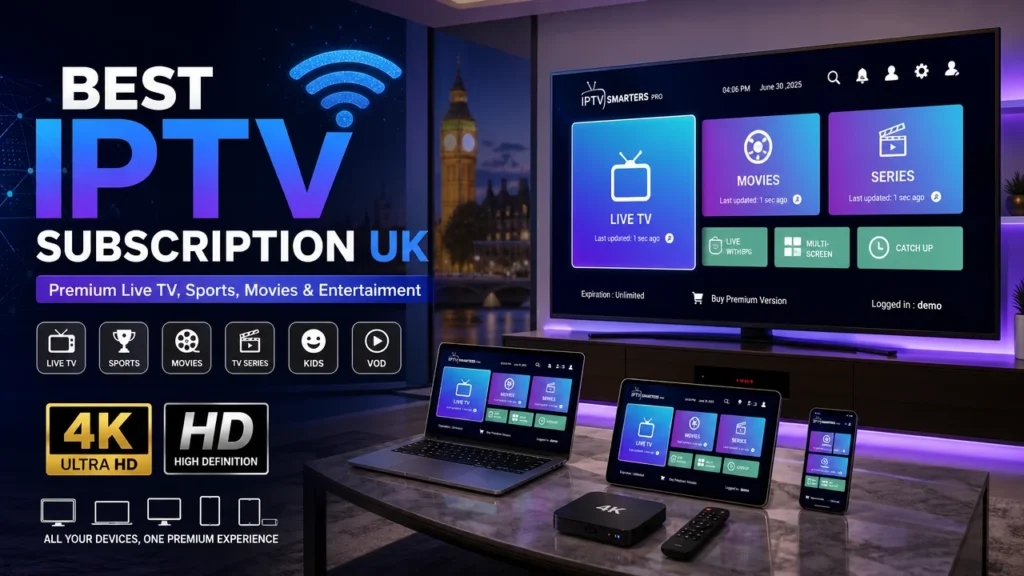
Best IPTV Service for Live Sports: What to Look For
Related Reading: Understanding Pineal Reviews: A Complete Guide
Sports fans have unique requirements when it comes to how does iptv work. Live events demand low latency and high bitrates. The best IPTV service for live sports will offer dedicated sports channel bundles, multi-language commentary options, and catch-up features that let you rewind live action.
Look for providers that specifically advertise "anti-freeze" technology or buffer-free streaming during major events. Many premium IPTV services now offer 60fps streams for sports, which is critical for fast-moving games like soccer, basketball, and hockey. Test this during a trial period by watching a live game at peak evening hours.
How to Set Up IPTV on Firestick: Step-by-Step
For anyone wondering "how does iptv work on firestick," the process is simpler than you'd expect. Here's how to get started:
- Enable apps from unknown sources — Go to Settings > My Fire TV > Developer Options and turn on "Apps from Unknown Sources." This allows sideloading if the provider doesn't offer an official Amazon app.
- Install the Downloader app — Find it in the Amazon App Store. This tool lets you download APK files directly from URLs your IPTV provider gives you.
- Enter the provider's download URL — Type the link your IPTV service sent via email. The APK will install automatically.
- Launch the app and enter your credentials — Use the username and password or activation code from your subscription.
- Configure your VPN (strongly recommended) — Connect to a US-based server to protect your privacy and prevent ISP throttling, especially for live sports streaming.
Is IPTV Legal in the US? The Honest Answer
The legality of IPTV in the United States depends entirely on whether the provider holds proper licensing for the content they distribute. Services like YouTube TV, Sling TV, and Hulu Live are legally licensed IPTV platforms. Grey-market providers that re-stream cable channels without authorization operate in a legal gray area.
If you're exploring where to buy reliable iptv subscription, look for providers that are transparent about their content sources. Ask directly: "Do you have distribution rights for US channels?" If they avoid the question, consider that a red flag. Many premium IPTV services operate legally by focusing on international channels or public domain content.
⚠️ Limited Inventory Notice: Examine structural specifications, direct manufacturing packages, and instant priority shipping paths.
CLAIM SPECIAL OFFER →IPTV Buffering Fix Guide: 5 Common Causes
Even the best IPTV services can buffer. Here's what to check first:
- Internet speed too low — IPTV requires minimum 25 Mbps for HD and 50 Mbps for 4K. Run a speed test on the same device you're streaming from.
- Wi-Fi interference — Switch from 2.4GHz to 5GHz, or better yet, use an Ethernet cable. Powerline adapters also work well.
- ISP throttling — Many ISPs slow down streaming traffic. A VPN usually resolves this immediately.
- Outdated app or device firmware — Check for updates on your Firestick, smart TV, or streaming box.
- Server overload on provider side — If it happens during prime time only, contact support. Some premium IPTV services offer dedicated streams for busy hours.
Best Option by Budget and Experience Level
By budget: If you're looking to spend under $15 monthly, budget IPTV services exist but come with higher risk of downtime and legal issues. The sweet spot is $15–$25 per month for premium IPTV, which undercuts cable by 70–80% while maintaining reliability.
By experience level: Technical users comfortable with sideloading apps and configuring VPNs can handle any IPTV service. Less experienced users should stick with providers that offer dedicated apps in official app stores (TiviMate, IPTV Smarters Pro, or provider-specific apps).
By use case: For live sports fans, prioritize providers with 60fps streams and anti-buffer technology. For families, look for multi-device plans and reliable EPG data. For international channels, many premium IPTV services offer packages from India, the Middle East, Europe, and Latin America.
Recommendation by User Profile
Cord-cutter who wants sports and news: A premium IPTV service with dedicated North American servers, 60fps sports streams, and a 24-hour trial period is your best bet. Test it during a prime-time NFL or NBA game.
Family with diverse viewing habits: Look for a service with 4+ simultaneous connections, a working EPG, and broad device support for Firestick, Roku, and smart TVs.
Traveler or expat: Your priority should be global server coverage and catch-up features that let you rewind content across time zones. A VPN is essential for bypassing geo-restrictions.
Budget-maximizer: If you can accept occasional buffering and limited customer support, cheaper IPTV options exist. Just be prepared to switch providers when they inevitably go offline.
Final Verdict: Which One Should You Choose?
If you're technically comfortable and want to save $700–$1,200 per year, a premium IPTV service is the clear winner over traditional cable. The key is finding a provider that offers reliable infrastructure, transparent pricing, and responsive support. Start with a trial period, test your specific use case (sports, news, international channels), and only commit monthly until you're confident.
⚠️ Flash Priority Action Required:
BUY NOW — SECURE DEACTIVATION CODESTransparency Note: Accessing this outbound link redirects to an authenticated partner checkout layer. Our collective analysis remains completely independent, structured under regional promotional distribution frameworks at zero added cost.
Factual Clarifications (FAQ)
How does IPTV work on smart TV without additional hardware?
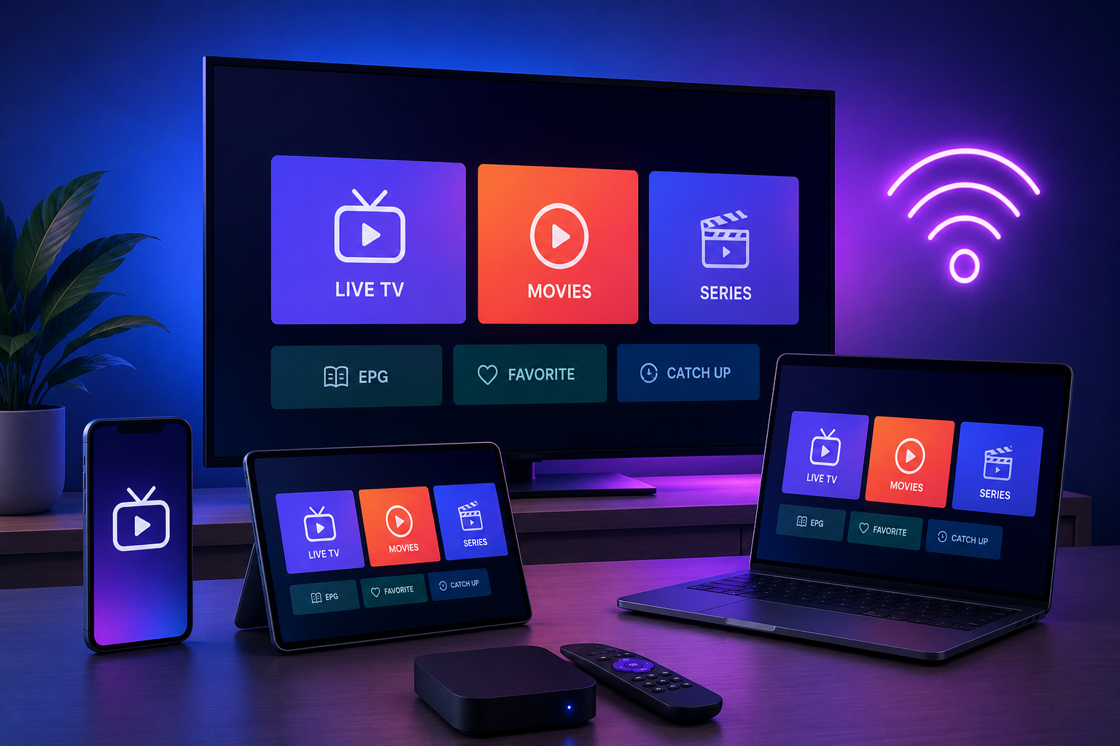
Most modern smart TVs (Samsung, LG, Sony, Android TV) support IPTV through downloadable apps from their respective app stores. You install the provider's app or a generic IPTV player like IPTV Smarters Pro, enter your subscription credentials, and channels load over your home internet connection. No external box, satellite dish, or cable line is needed — the TV acts as the receiver using its built-in network capabilities.
What is the best IPTV service for live sports in 2025?
The best IPTV service for live sports prioritizes 60fps streams, dedicated sports channel packages (ESPN, Fox Sports, beIN Sports, Sky Sports), and anti-buffer technology during peak hours. Look for providers offering multi-device support so you can watch games on your phone while away from home. Always test with a trial during a live major sporting event — if it buffers during a Super Bowl or Champions League final, that provider isn't built for sports.
How to set up IPTV on Firestick without computer?
You can set up IPTV on a Firestick entirely from the device itself. Go to Settings > My Fire TV > Developer Options and enable "Apps from Unknown Sources." Install the Downloader app from the Amazon App Store. In Downloader, type the URL your IPTV provider sent you for their APK file. The app installs automatically, and you can launch it directly from your Firestick home screen to enter your login details.