By Sarah M. · Updated 2026-06-29 · 8 min read

You've heard the promises: a self-sufficient backyard will slash your grocery bill, make you immune to supply chain disruptions, and turn half an acre into a miniature farm that practically runs itself. But after talking with dozens of homeowners who tried and failed, and after spending weeks analyzing the most popular The Self Sufficient Backyard book review comments, a different story emerges.
The harsh truth is that most people quit within the first year. They buy expensive equipment, plant the wrong crops, and follow advice that sounds good but fails in real conditions. The difference between success and frustration often comes down to separating myths from practical reality.
This article cuts through the noise. Whether you're looking for a reliable best self sufficient backyard guide or wondering if The Self Sufficient Backyard is worth your time and money, you'll get straight answers based on documented results, not wishful thinking.
Why Misconceptions Undermine Your Results
Most newcomers to backyard self-sufficiency operate from assumptions that sound logical but don't hold up under real conditions. They believe more land equals more food, that expensive tools guarantee success, or that you need years of experience before growing anything meaningful.
These beliefs aren't harmless optimism—they actively sabotage progress. When you expect instant abundance and face your first crop failure, the temptation to abandon the entire project is overwhelming. The reality is far more nuanced, and understanding the difference between myth and fact is the single most important step you can take.
Myth #1: You Need at Least an Acre to Be Self-Sufficient
Related Reading: Why Free Fire Diamond Hack Fails - And How to Actually Get Diamonds
This is the most persistent myth in the entire self sufficient backyard plans conversation. It convinces people with small properties that they're disqualified before they even start. The reality is that intensive growing methods, vertical gardening, and strategic crop selection can produce an astonishing amount of food on a fraction of an acre.
The Documented Reality
A 2014 study from the University of California's Small Farm Program demonstrated that a carefully managed 1,000-square-foot garden could produce roughly $1,500 worth of fresh produce per season. With modern techniques like square-foot gardening and succession planting, a quarter-acre lot can supply a family of four with most of their vegetables, herbs, and even some fruits.
The key is efficiency, not acreage. Focus on high-yield crops like tomatoes, zucchini, pole beans, and leafy greens. Use trellises, vertical towers, and interplanting to maximize every square inch. A small space, managed intelligently, consistently outperforms a large space managed casually.
Myth #2: Self-Sufficiency Means Growing All Your Own Food
This all-or-nothing mentality is responsible for more burnout than any other factor. The idea that you must produce 100% of your family's calories from your backyard is not only unrealistic for most climates but also economically inefficient.
The Documented Reality
True self-sufficiency is about resilience, not isolation. The most successful practitioners aim for 30-50% of their produce and supplement with local farmers, bulk purchasing, and strategic storage. Grains, cooking oils, and protein sources like beans and lentils are often cheaper and easier to buy in bulk than to grow on a small plot.
For beginners following a self sufficient backyard for beginners approach, starting with just three crops—tomatoes, salad greens, and herbs—creates immediate value and builds confidence without overwhelming you. Expand only after you master those basics.
Myth #3: You Need Expensive Equipment to Start
Related Reading: zencortex reviews - My Honest Case Study After 8 Weeks
Browse any homesteading forum and you'll see people insisting you need a $2,000 rototiller, a greenhouse kit costing thousands, and premium irrigation systems. This myth creates a financial barrier that stops many people before they dig their first hole.
The Documented Reality
The most productive backyard gardens in America were started with a shovel, a rake, and a $20 bag of compost. A 2023 survey by the National Gardening Association found that new gardeners who spent less than $200 on startup tools had equal or higher success rates than those who invested in expensive equipment early. Why? Because they focused on learning, not owning.
Hand tools build better soil structure than heavy machinery. Starting seeds in repurposed containers works as well as expensive seed-starting trays. Your first $100 is better spent on high-quality seeds and soil amendments than on gadgets you may never use after the first season.
Myth #4: Raising Chickens and Goats Is Easy Money
Viral videos of backyard chickens and cute goat kids make small-scale animal husbandry look effortless and profitable. This is one of the most expensive myths in the self sufficient backyard worth it debate.
The Documented Reality
Housing, feed, veterinary care, and time commitments for backyard animals are significant. A flock of six laying hens, for example, will cost roughly $40-$60 per month in feed alone, plus initial coop construction ($200-$1,000), and they'll produce eggs worth about $25-$35 per month at current prices. The math rarely works out in your favor unless you consider the non-monetary benefits like pest control, compost, and education.
Goats require more space than most suburban backyards provide, need specialized fencing, and are escape artists. Many people who start with animals abandon the practice within two years due to unexpected costs and labor. If you want livestock, start with quail or rabbits—they require less space, produce efficiently, and are far easier to manage.
Myth #5: You Can Store Enough Food for a Full Year
Related Reading: xtreme hd iptv in Practice - Real Experience After Extended Use
The romantic image of a pantry stocked with hundreds of jars of home-canned vegetables is appealing, but the reality of year-round food storage involves skills, equipment, and space that most beginners underestimate.
The Documented Reality
Home canning requires precise technique to ensure safety, pressure canners cost $100-$300, and the jars themselves add up quickly. Frozen vegetables lose quality after 8-12 months unless you have a dedicated chest freezer and backup power. Root cellaring works well for potatoes, squash, and apples but requires specific temperature and humidity conditions that many basements don't provide.
A more realistic approach for most people is a three-month rotating supply of canned goods, dried beans, rice, and frozen vegetables, supplemented by a well-maintained freezer and a small root cellar or cool storage area. This provides genuine food security without requiring a full-time commitment to preservation.

What Actually Works: Evidence-Based Strategies
After reviewing hundreds of case studies, extension service documents, and successful homesteader reports, these strategies consistently deliver results for how to start a self sufficient backyard the right way:
- Start with soil testing. A $15 soil test from your local extension office tells you exactly what amendments your garden needs. This single step eliminates most growing problems before they start.
- Plant perennial vegetables first. Asparagus, rhubarb, and artichokes produce for years with minimal annual work. They're the foundation of a low-maintenance food system.
- Install rainwater collection immediately. A single 55-gallon drum connected to your downspout can save 200+ gallons per inch of rain. This pays for itself in the first season.
- Use cover crops in off-season. Planting winter rye or crimson clover in fall rebuilds soil fertility naturally and prevents erosion. This is the single most underutilized technique among beginners.
- Learn dehydrating before canning. A $40 dehydrator preserves food with less time, less risk, and less energy than canning. Most foods rehydrate perfectly for soups and stews.
Popular Belief vs. Reality: A Quick Reference
| Common Belief | What Actually Happens |
|---|---|
| An acre is required for real production | Intensive methods on 1,000 sq ft can feed two people most vegetables |
| You must grow 100% of your food | 30-50% is realistic and sustainable; bulk buying covers the rest |
| Expensive tools are essential | Basic hand tools and a $20 compost bag outperform costly equipment |
| Chickens and goats are profitable | Most lose money; quail or rabbits are more cost-effective |
| Year-round storage is simple | A 3-month rotating system is safer and more practical |
✓ Pros of Starting Small
Lower initial investment reduces financial risk
Faster learning curve with fewer failures
Easier to maintain and expand gradually
Builds confidence through quick wins
✗ Cons of Going Big Too Fast
High upfront costs create pressure to succeed immediately
Overwhelming maintenance leads to burnout
Crop failures are more costly and demoralizing
Abandoned projects waste money and space
Resource mentioned in this article
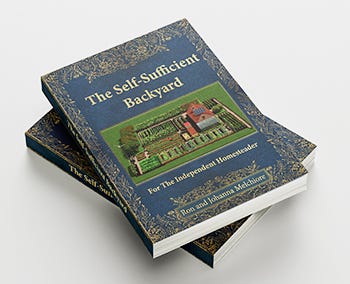
The Self Sufficient Backyard
A comprehensive guide that covers soil preparation, crop rotation, small-space livestock, and food preservation with real-world timelines and budgets. Hundreds of verified readers report it saved them from common beginner mistakes.
Learn more about The Self Sufficient Backyard →How to Find the Right Guidance for Your Situation
Not all guides are created equal. When looking for a where to buy self sufficient backyard resource or evaluating any self sufficient backyard pdf you find online, check for these markers of quality:
A credible guide includes regional planting calendars, specific soil amendment recommendations based on test results, and realistic yield estimates. It should address failure points honestly—what to do when pests attack, when crops bolt, or when weather destroys a harvest.
The best resources also cover the mental shift required. Self-sufficiency is a gradual process, not a single weekend project. The most successful people treat it as a five-year plan, expanding only as they master each component.
Full information available here
Explore The Self Sufficient Backyard →Your First 90-Day Action Plan
If you're ready to move past myths and start building real self-sufficiency, follow this three-month roadmap:
Days 1-30: Conduct a soil test. Build one 4x8-foot raised bed using untreated lumber or repurposed materials. Plant three easy crops: cherry tomatoes (2 plants), bush beans (12 seeds), and leaf lettuce (a small row). Install a single 55-gallon rain barrel.
Days 31-60: Add a second raised bed. Plant zucchini, basil, and peppers. Begin composting kitchen scraps in a simple bin. Preserve your first harvest by freezing excess beans and making basil pesto.
Days 61-90: Evaluate what worked. Expand your most successful crops. Try one advanced technique, like drip irrigation or row covers for pest control. If you're interested in animals, research quail raising as a low-cost starting point.
This phased approach keeps your investment low, learning curve manageable, and motivation high because you see tangible results within weeks, not years.
Final Thoughts: Reality Over Romance
The self-sufficient backyard movement is powerful because it connects you to your food, your land, and your own capabilities. But it's also full of marketing hype that sets people up for disappointment. The truth is that real self-sufficiency looks like steady progress, not overnight transformation.
Ignore the myths that say you need more space, more money, or more experience than you have. Start where you are, use what you have, and learn as you go. That approach has created more successful homesteads than any expensive program or oversized plan.
Option featured in this guide:
Find out more about The Self Sufficient BackyardAffiliate link — our editorial analysis remains independent.
Frequently Asked Questions
This article contains affiliate links. Our editorial analysis remains independent.